Category: Poultry

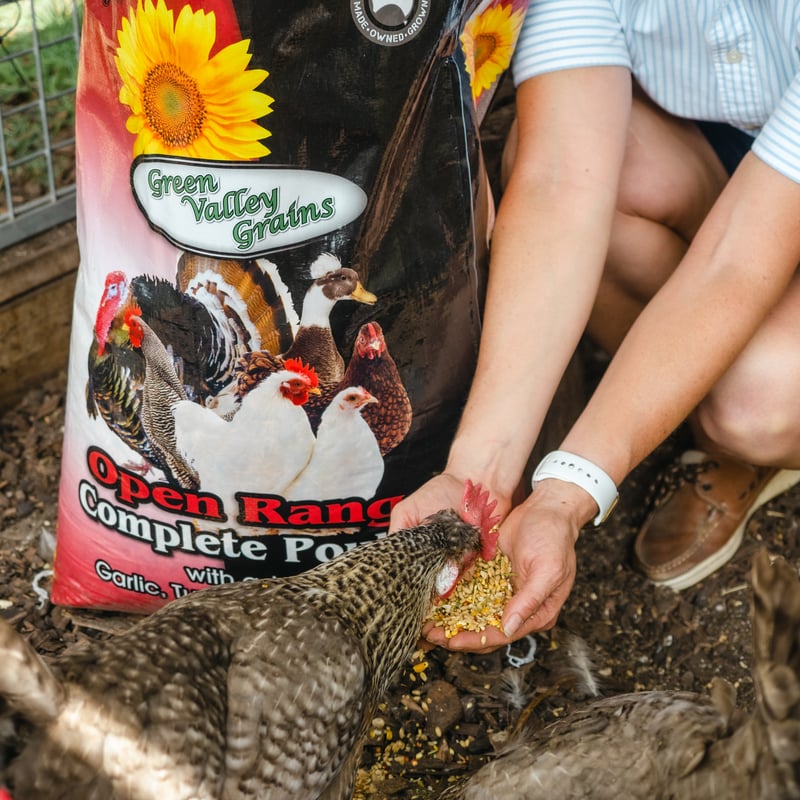
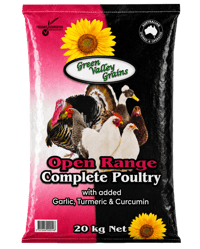
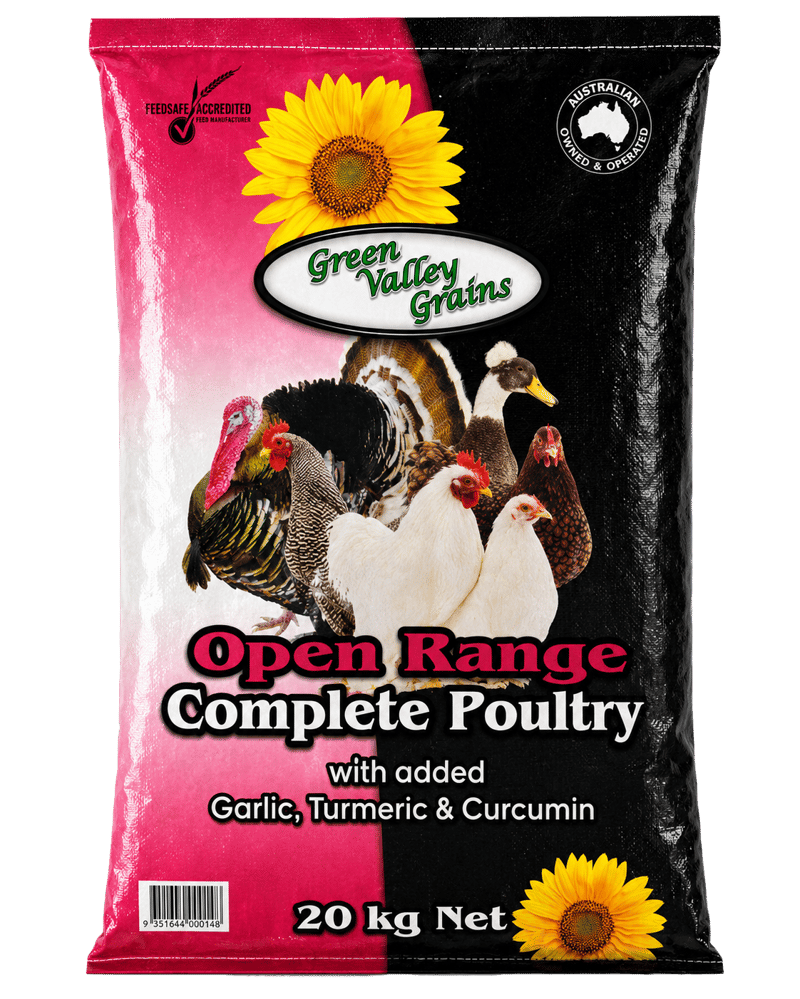
OPEN RANGE COMPLETE POULTRY

A Nutritionally Balanced, All-Natural Feed for Mature Birds and Fowl

Green Valley Grains is excited to announce the launch of its newest addition to the poultry feed range: Open Range Complete Poultry Mix 20kg. This all-natural, holistic grain mix is specifically formulated to meet the energy, protein, and nutritional needs of mature birds and fowl, ensuring their health and vitality throughout the year.

Open Range Complete Poultry Mix is more than just a feed—it's a comprehensive solution for poultry owners who are committed to the well-being of their flock. The blend includes essential nutrients, such as added garlic, turmeric, curcumin, multivitamins, and minerals, which work together to support your birds, especially during challenging periods like winter, molting, or times of stress.

These natural ingredients are carefully selected to enhance overall health and improve egg quality, making it an ideal choice for those looking to give their poultry the best possible care.

“The uniqueness of Open Range Complete Poultry Mix lies in its holistic approach,” says Megan McKenzie, Nutrition Advisor and formulator at Green Valley Grains. “We designed this scratch mix for poultry owners who want to ensure their flock is not only well-fed but also receives the extra nutritional support needed to thrive, especially when conditions are less than ideal.”

Whether your birds are experiencing the rigors of winter, undergoing a molt, or simply need an extra nutritional boost, Open Range Complete Poultry Mix is crafted to help them maintain optimal health and productivity.

Key Benefits of Open Range Complete Poultry Mix 20kg:

  • Nutritionally Balanced: Provides the essential energy, protein, and nutrients required for mature birds.
  • Holistic Ingredients: Includes garlic, turmeric, curcumin, and a range of multivitamins and minerals to support overall health.
  • Supports Egg Quality: Formulated to enhance the quality of eggs, ensuring they are rich and healthy.
  • Ideal for Stressful Periods: Offers extra nutritional support during times of stress, molting, and winter.

Typical Analysis:

Crude Protein: 13.5 min 14.5 max%

Fat: 5% min - 6% max

Fibre: 9% Max

Calcium 2.5% min 4.5max

Copper: 6mg

Vitamin E: 15mg

D3: 3,000IU

Turmeric: .5%

Garlic: 1%
Product Ingredients

Whole Sorghum Safflower Whole Wheat Linseeds Crushed Fine Shell Grit Lucerne Chaff Molofos Oil Cracked Maize Cracked Lupins Vitamins and Minerals Premix Turmeric with Curcumin Garlic

Pack Sizes

20kg

Small Animal Range

March5-2021-7934_original

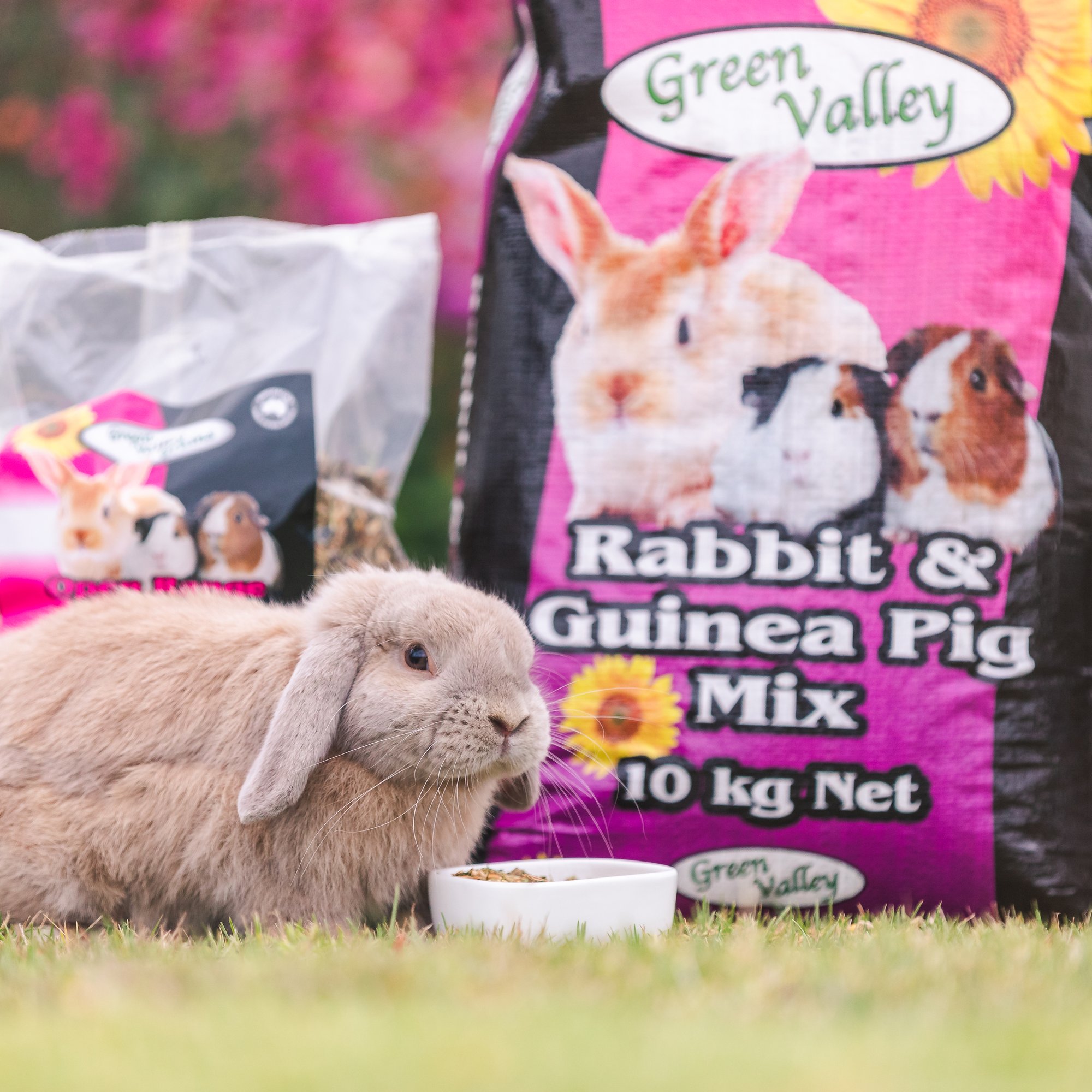
Rabbit and Guinea Pig

Like Guinea pigs, rabbits make fantastic family pets for small children.  There are about 30 breeds of rabbits, ranging in colors, shapes and sizes but all need similar care and attention. Having more than one pet rabbit is recommended as they are sociable animals and require companionship.

Feeding Tips

Feeding the right diet is one of the most important aspects of maintaining a healthy rabbit. Rabbits are herbivores (they eat plant material only). Providing a constant supply of grass and/or grass hay (e.g. timothy, oaten, wheaten, pasture, paddock, meadow or ryegrass hays) is paramount in providing a balanced diet.

Rabbits should be fed the types of food they are adapted to eating. In the wild, rabbits eat predominantly grass. They may graze for up to 6-8 hours a day. Their whole digestive tract from their teeth right down to the end of their gastrointestinal tract is adapted to this diet and eating habit.

To ensure your rabbit has a healthy balanced diet, you should:

Tips

High-quality commercial rabbit pellets with a minimum crude fibre >18% (Indigestible fibre content >12.5%) may be offered in small quantities. Feeding a quality commercial rabbit mix helps ensure a well-balanced diet.

Provide a constant supply of good quality fresh grass and grass hay (they should comprise about 80% of the overall diet) - e.g. Timothy, Oaten, Wheaten, Pasture, Paddock, Meadow or Ryegrass hays. Rabbits should not be fed an abundance of Lucerne or Clover hays as they are too high in protein and calcium. Grass or grass hay is paramount in providing sufficient fibre for gastrointestinal health and encouraging chewing for long periods of time for healthy teeth.

Provide plenty of fresh leafy greens & vegetables. As a guide, feed around two packed cups of leafy greens per kg body weight per day. Some examples are vegetables such as broccoli, celery, endive, beet/carrot tops, brussel sprouts, spinach leaves, bok choy, other Asian greens, dark leafed lettuce varieties and herbs such as parsley, dandelion, coriander, basil, dill, and mint.

Treats

Treats may be offered in small quantities (1-2 tablespoons per rabbit per day). Examples include most fruits, root vegetables such as carrot and sweet potato and capsicum.

Alternate Food

Providing other objects to chew on is also a good idea such as wooden chew blocks.

Consistency

Aim to keep feeds and feeding habits consistent. Any changes to the diet must be made gradually (over a 2-3 week period) to minimize digestive upsets.

Ensure fresh clean water is available at all times.

Avoid

Avoid excessively high feed rates of cereal/grain mixes. We suggest feeding 30-50g of Rabbit and Guinea Mix per animal per day.

Brochure