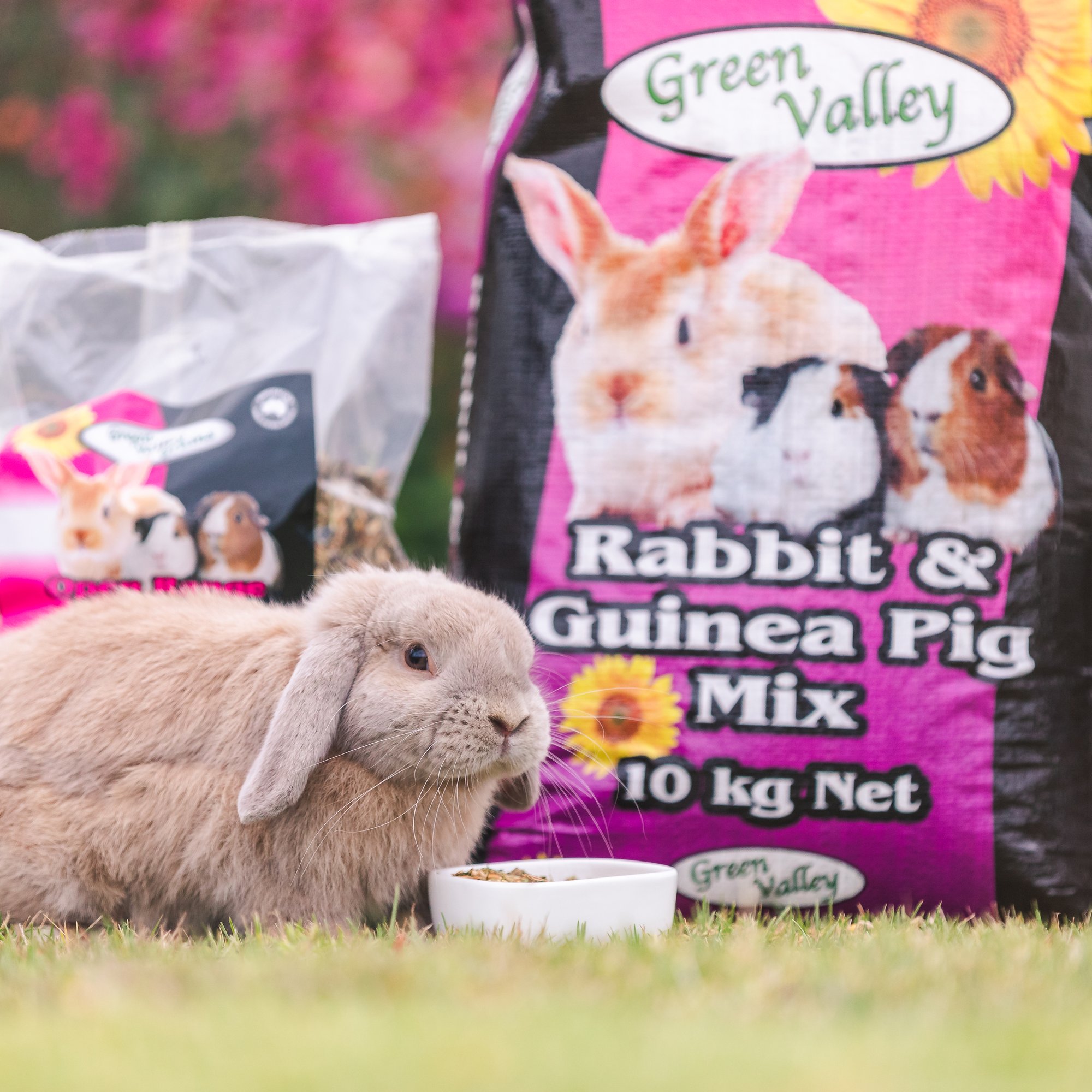
Rabbit and Guinea Pig
Like Guinea pigs, rabbits make fantastic family pets for small children. There are about 30 breeds of rabbits, ranging in colors, shapes and sizes but all need similar care and attention. Having more than one pet rabbit is recommended as they are sociable animals and require companionship.
Check out our Small Animal Products
Sorry, but there are no products that match your selected filtering.
You can reset the results by making sure the search field is empty and you click the top "All" button to remove any keyword filtering.
Feeding Tips
Feeding the right diet is one of the most important aspects of maintaining a healthy rabbit. Rabbits are herbivores (they eat plant material only). Providing a constant supply of grass and/or grass hay (e.g. timothy, oaten, wheaten, pasture, paddock, meadow or ryegrass hays) is paramount in providing a balanced diet.
Rabbits should be fed the types of food they are adapted to eating. In the wild, rabbits eat predominantly grass. They may graze for up to 6-8 hours a day. Their whole digestive tract from their teeth right down to the end of their gastrointestinal tract is adapted to this diet and eating habit.
To ensure your rabbit has a healthy balanced diet, you should:
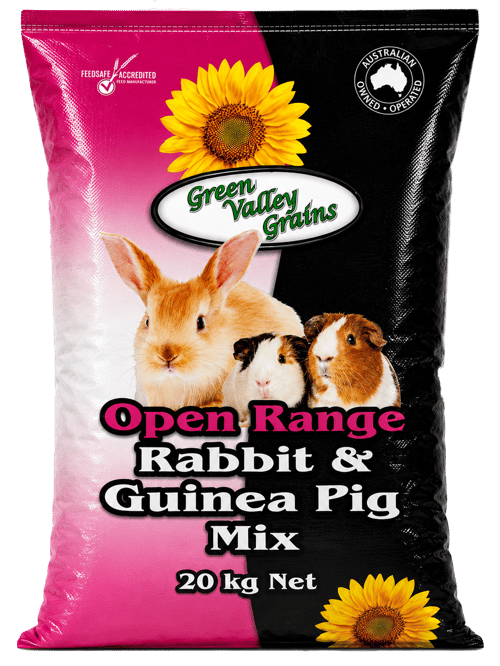
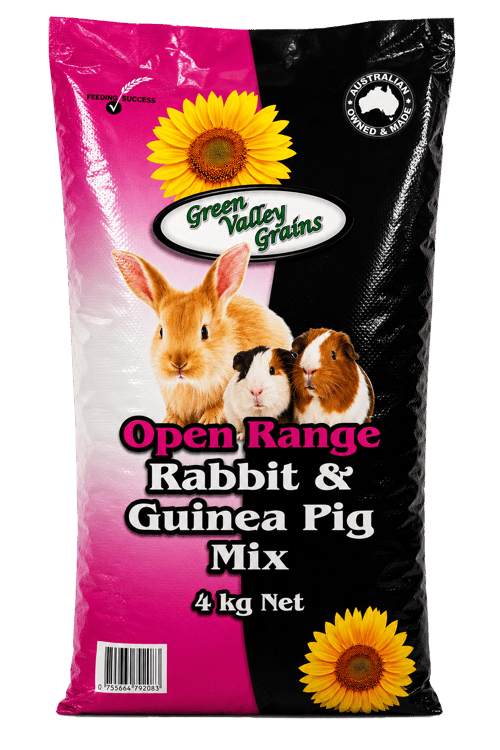
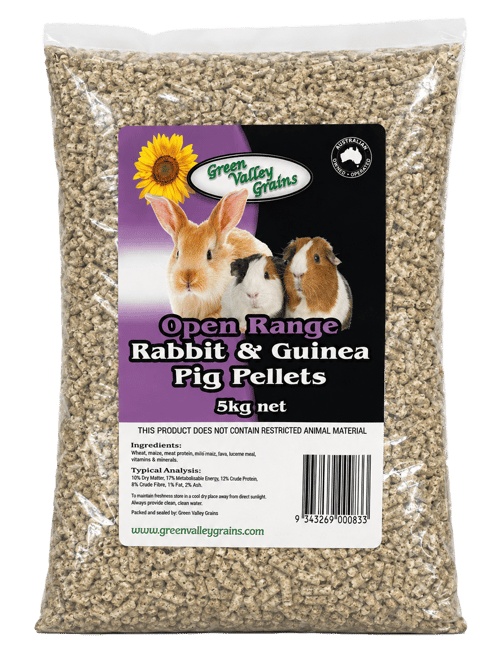
High-quality commercial rabbit pellets with a minimum crude fibre >18% (Indigestible fibre content >12.5%) may be offered in small quantities. Feeding a quality commercial rabbit mix helps ensure a well-balanced diet.
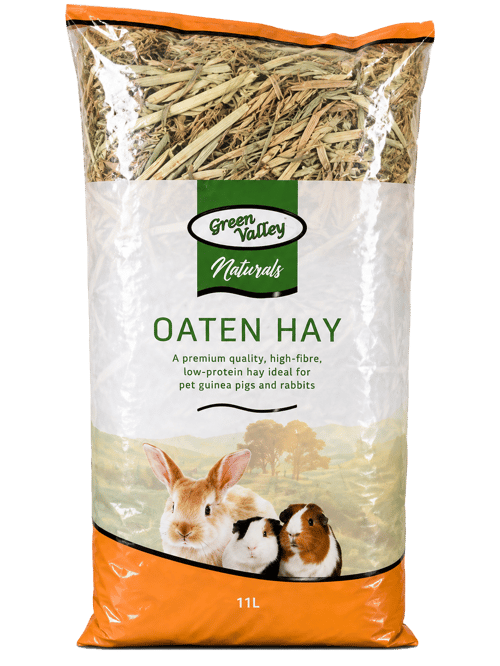
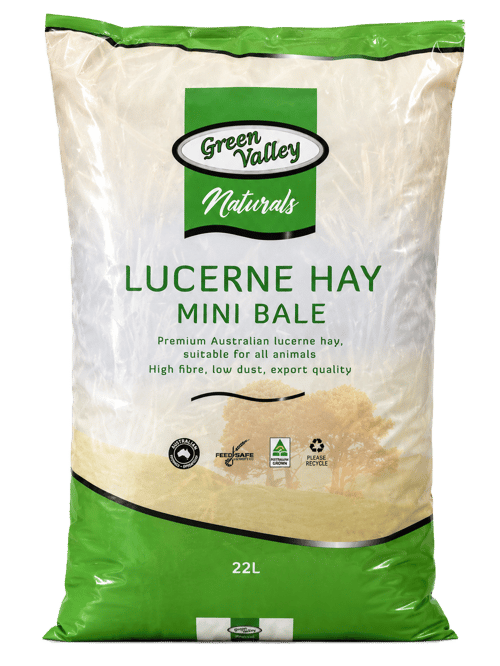
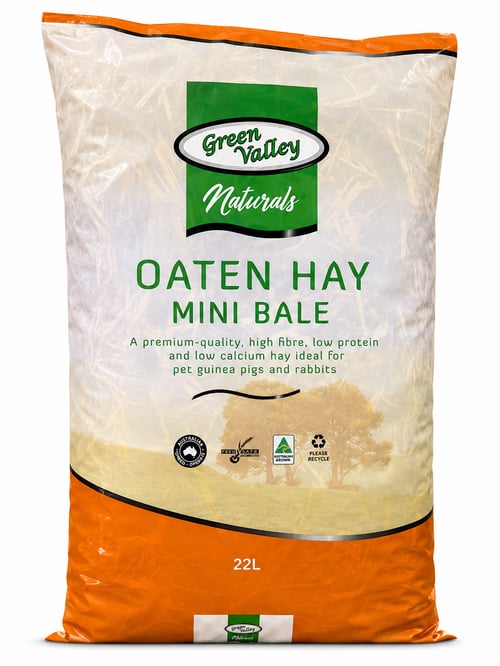
Provide a constant supply of good quality fresh grass and grass hay (they should comprise about 80% of the overall diet) - e.g. Timothy, Oaten, Wheaten, Pasture, Paddock, Meadow or Ryegrass hays. Rabbits should not be fed an abundance of Lucerne or Clover hays as they are too high in protein and calcium. Grass or grass hay is paramount in providing sufficient fibre for gastrointestinal health and encouraging chewing for long periods of time for healthy teeth.
Provide plenty of fresh leafy greens & vegetables. As a guide, feed around two packed cups of leafy greens per kg body weight per day. Some examples are vegetables such as broccoli, celery, endive, beet/carrot tops, brussel sprouts, spinach leaves, bok choy, other Asian greens, dark leafed lettuce varieties and herbs such as parsley, dandelion, coriander, basil, dill, and mint.
Treats
Treats may be offered in small quantities (1-2 tablespoons per rabbit per day). Examples include most fruits, root vegetables such as carrot and sweet potato and capsicum.
Alternate Food
Providing other objects to chew on is also a good idea such as wooden chew blocks.
Consistency
Aim to keep feeds and feeding habits consistent. Any changes to the diet must be made gradually (over a 2-3 week period) to minimize digestive upsets.
Avoid
Avoid excessively high feed rates of cereal/grain mixes. We suggest feeding 30-50g of Rabbit and Guinea Mix per animal per day.