GREEN VALLEY GRAINS

100% AUSTRALIAN OWNED  & MANUFACTURED

About Us

Aussie Family-Owned

At Green Valley Grains, we understand that your pets and animals are a really important part of your life.  You want to ensure that they are as happy and healthy as possible, for both your pets quality of life and your overall enjoyment of each other.  

Our Expertise

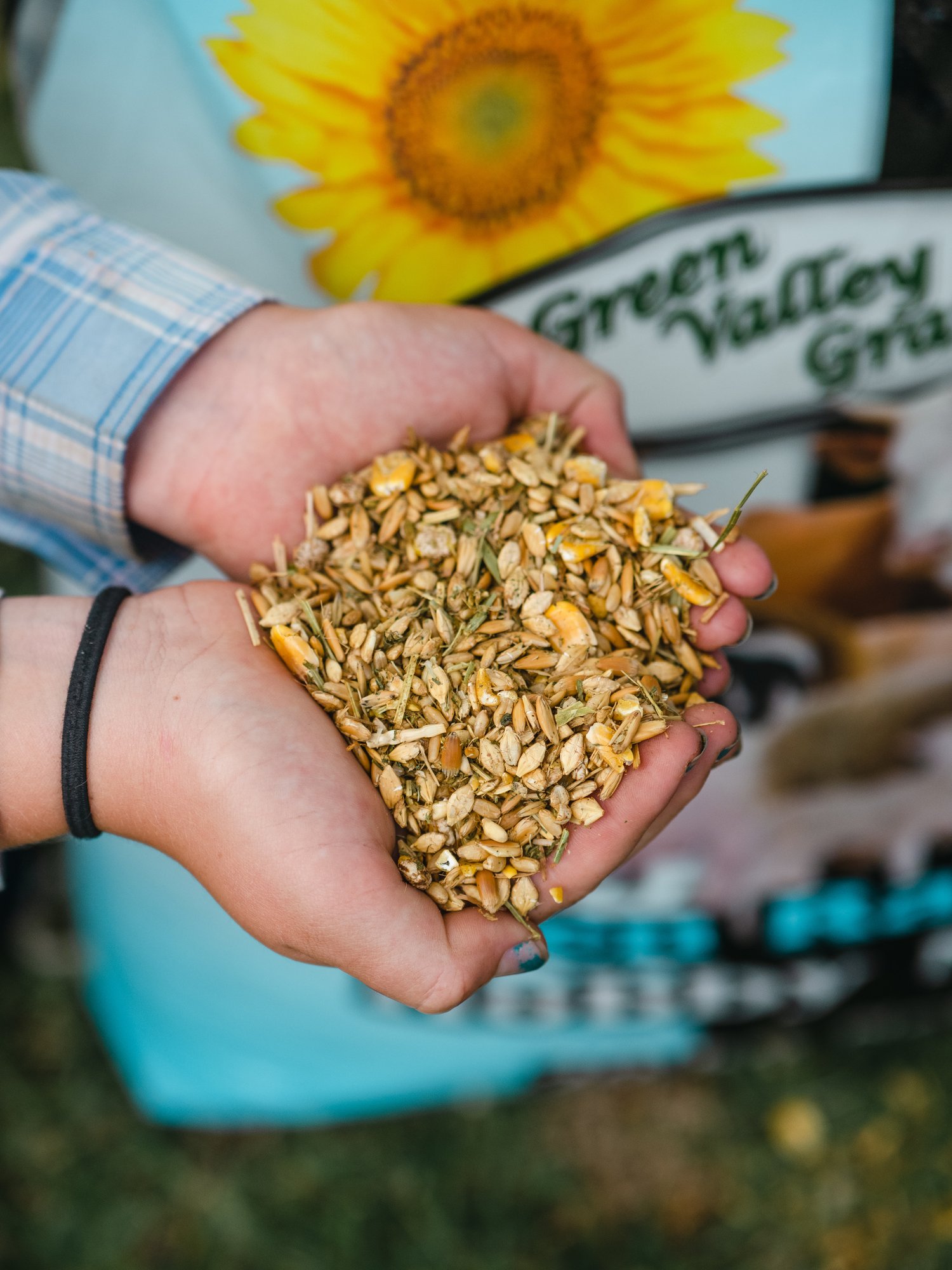
Although Green Valley Grains is a boutique mill, we insist on using state of the art, imported machinery from Germany, use systems to ensure we only produce products for the Australian market that are dust free, and processed to ensure the greatest nutritional value for animals to safeguard their health and wellbeing.  Whether it’s straight grains for stock or seeds for bird or poultry flocks, Green Valley Grains has become a house hold name that guarantees quality for each of our products.

Our Commitment to Quality

Green Valley Grains products start with quality feed sources, which are then subject to state of the art processes.  We pride ourselves on being sustainably sensitive, using only quality, Australian-grown ingredients - supporting hard-working Aussie farmers and taking a responsible approach to the future.

Companies who trust in us

Zoos Victoria
NBCF Logo 2
pet_station_website_logo
Habitat-Logo
pet-circle-logo-default
peto_logo
agwarehouse logo
hunters
Feedsafe Accredited Cow 2

FEEDSAFE ACCREDITED

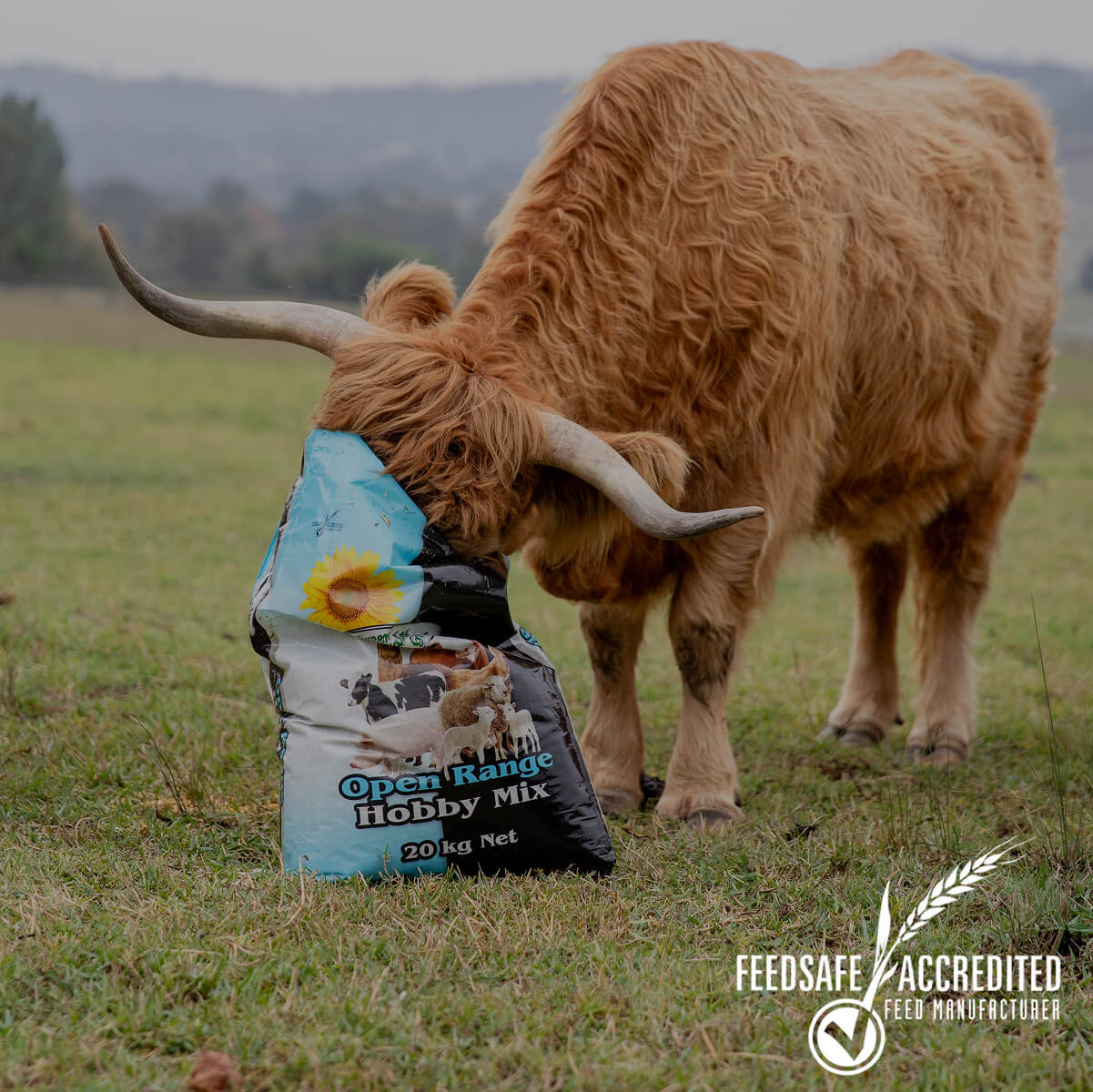
Green Valley Grains is an accredited member of FeedSafe® - Quality Assurance Accreditation Program for the Australian Stockfeed industry. To obtain FeedSafe® accreditation, feed manufacturers are required to undergo annual site audits, these are conducted by independent third-party auditors.  Green Valley Grains are assessed on everything from premises and buildings, raw material sourcing and purchasing, product inspection, sampling and testing to loading, transport and delivery. You can be assured that you are buying a quality product when using a Green Valley Grains feed.
38365f_78247cd21f7f4b30b5f65d4e8f0a35e8~mv2-2

WHAT OUR CLIENTS SAY

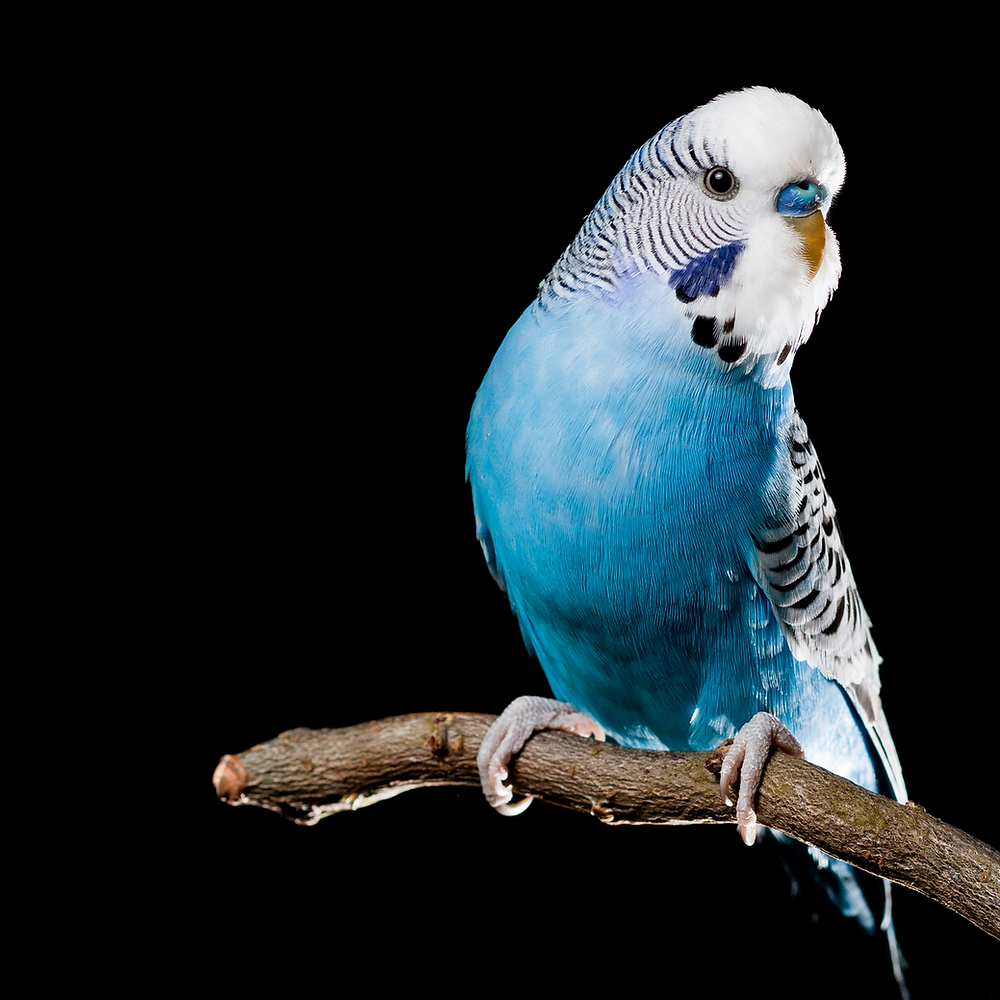
"I have been feeding my budgies and small parrots the Green Valley Small Parrot Mix on a daily basis for over 10 years. I feel that the birds really enjoy the quality, the consistent blend and the cleanness (dust-free) of the seeds and importantly at the end of the day there is no wastage."

Col Flanagan / Victoria
FAQ

Where are Green Valley Grains products made?

Green Valley Grains products are made in Beaconsfield, Victoria. We are a proud Australian family-owned business that uses only quality Australian-grown ingredients, supporting hard-working Aussie farmers. Our mill uses state-of-the-art machinery imported from Germany to ensure every product is dust-free and processed for maximum nutritional value.

Are Green Valley Grains products free from antibiotics and hormones?

Yes. All Green Valley Grains products are free from added antibiotics and hormones. We believe in a natural, holistic approach to animal nutrition, which is why our feeds incorporate functional ingredients like garlic, turmeric, and curcumin to support immunity and gut health — without the need for medications or additives.

Are your products suitable for backyard chickens, or only commercial flocks?

Our products are specifically designed with backyard and hobby farmers in mind. Whether you have a small flock of laying hens, a few pet birds, or a mixed hobby farm, our range is formulated to meet the nutritional needs of animals at every life stage — from our Open Range Starter/Grower Mash for chicks and ducklings through to our Premium Layer range for adult hens. You don't need a large operation to give your animals the best nutrition.

Where can I buy Green Valley Grains products?

Green Valley Grains products are stocked through a network of independent stockfeed stores, pet stores, and produce retailers across Victoria and beyond. Use the Store Locator on our Contact page to find your nearest stockist. If you can't find us locally, reach out to us at admin@greenvalleygrains.com and we'll help you track down your nearest retailer.

What is ProN8ure and why is it added to your feeds?

ProN8ure is a premium probiotic supplement included in many of our feeds. It combines three essential elements: a dual-strain probiotic, a prebiotic, and a multi-strain enzyme. Together these work to support enhanced digestion, better nutrient absorption, and improved overall health in your animals. It's one of the key reasons our feeds deliver superior results compared to standard stockfeeds.

Jan2025-KJ-1100131

Get the Latest Insights

Nourishing Layers for Better Eggs: Why Feed Premium Layer Mix from GVG

As a poultry owner, you want your hens to be healthy, happy, and productive. If you’re feeding a higher protein layer diet, one option worth considering is the Green Valley Grains Premium Layer Mix — especially as it is paired with the research backed probiotic ProN8ure®. Here’s why this combination can make a real difference for your flock. High-Protein Foundation for Egg Production Egg-laying birds have higher nutritional demands than non-layers. Laying eggs requires abundant protein — not just for forming the egg white (albumen), but also for supporting the hen’s overall metabolic demands and health. The GVG Premium Layer Mix lists a crude protein (CP) content of 18%, which is perfect for most free-range or backyard layers. Protein supports muscle maintenance, feather growth, immune function, and — crucially — the production of eggs with good size, strong shells, and healthy interior quality. Without adequate protein, egg yield, shell strength, and yolk/albumen quality can all suffer. In short: good protein levels in a complete layer diet provide the raw materials your hens need to lay consistently and healthily, without resorting to patchwork supplementation. Balanced Nutrition — A Complete Feed One of the best qualities of the GVG mix is that it’s ‘designed to be fed alone — with no extra supplementation required.’ That makes it easier for poultry keepers: you don’t need to worry about mixing in extra grains, proteins, or fillers to meet nutritional requirements. Everything — energy, fat, protein, grit (for shell formation), fibre/chaff for gut motility — is built in. This all-in-one approach reduces the risk of nutritional imbalances or missing key nutrients, which can happen if you try to DIY a diet for laying hens. Of course, you can keep adding in your greens and quality food scraps, but be rest assured that the foundation of your hens diet is taken care of. The Gut Health Advantage: Why Probiotic Matters for Layers Feeding a high-protein, balanced diet is just one side of the coin. The other — and often overlooked — side is gut health. That’s where IAH ProN8ure® comes in. Gut Microbiome = Digestive Efficiency, Immunity, and Performance Like all animals, birds have a complex community of microbes in their gut. This gut microbiota helps break down feed, produce nutrients, support immune function, and protect against harmful pathogens. A balanced gut microbiome supports efficient digestion and nutrient absorption — vital for a layer’s heavy demands. When the microbiome is out of balance (dysbiosis), nutrient absorption can drop, immunity may suffer, and performance — including egg production — can decline. Studies show that supplementing laying hen diets with probiotics can: improve feed efficiency (getting more nutrition from the same feed), boost egg production, improve shell and albumen quality, and strengthen immune response. Why ProN8ure® Is a Wise Inclusion ProN8ure® is a multi-strain probiotic — meaning it delivers a mix of beneficial live bacteria (e.g. species of Lactobacillus, Bifidobacterium, Enterococcus, Streptococcus). iahp.com.au These “good bacteria” help out-compete harmful bacteria in the gut, reducing the risk of infections or gut imbalances. ProN8ure® is formulated to survive the journey through the bird’s crop and stomach, so the microbes reach the intestines alive — where they can colonise and do their job. Regular probiotic use supports healthy digestion, even during stress (like changes in diet, weather, or flock disturbances), helping maintain consistent egg production. In hens fed probiotic-supplemented diets, researchers have noted improvements such as better feed conversion, stronger egg shells, improved egg quality (albumen, yolk), and overall better gut health. Putting It All Together: A Smart Strategy for Layer Owners When you feed your layers the Green Valley Grains Premium Layer Mix — with its high protein content and fully balanced nutritional profile — and combine that with the proven probiotic ProN8ure®, you’re supporting your flock in two essential ways: Providing all the nutrients they need to produce consistent, high-quality eggs — protein for egg formation, energy and fat for metabolism, grit and calcium for shells, fibre for digestion. Supporting gut health, nutrient absorption, immunity, and overall resilience — which helps your hens stay healthy and productive long-term, even under stress. That means better egg yield, better egg quality (shell strength, albumen, yolk), and healthier birds — with fewer digestive upsets and likely less reliance on antibiotics or other interventions. For many poultry keepers — this “complete feed + probiotic” approach strikes a good balance between convenience, health, productivity, and welfare. Final Thoughts Feeding layers isn’t just about “giving them food.” It’s about meeting elevated nutritional needs and supporting their digestive and immune systems — especially for birds working hard to produce eggs consistently. A high-quality, complete formula like the Green Valley Grains Premium Layer Mix gives your hens the protein, energy, minerals they need, while the inclusion of a multi-strain probiotic such as ProN8ure® helps ensure those nutrients are actually digested and absorbed — underpinned by a healthy gut. If you want your layers to thrive — not just survive — combining a balanced feed with gut-health support is one of the smartest strategies you can choose.
Dec 7, 2025

How Much Should You Feed Backyard Laying Chickens? A Simple Guide to Daily Intake

Feeding backyard chickens seems straightforward—fill the feeder, watch the girls peck away, collect eggs. But how much should a laying hen actually be eating each day? Getting the feeding rate right is one of the easiest ways to keep hens healthy, productive, and in great body condition. Whether you’re feeding a complete grain mix or a pelleted ration, this guide walks you through how many grams per day your birds should be consuming at each life stage. Why Daily Feed Intake Matters Just like any other animal, chickens balance their nutrient intake based on energy demand. Too little feed and you’ll see: Pale yolks Reduced laying Weight loss Lower immunity Too much feed leads to: Overweight hens Decreased production Wastage (and wasted money!) A clear feeding guideline helps you stay consistent and gives your hens exactly what they need. Feeding Guide: From Chicks to Layers Below are daily feed intake ranges (grams per bird per day) for backyard chicken keepers. 1. Chicks (0–6 Weeks) A good start sets the foundation for healthy layers later on. Age Daily Intake Notes Week 1 15–20 g/day Fine crumble, 20–22% protein starter mash Week 2 25–35 g/day Keep feeders topped up to encourage growth Week 3 40–50 g/day Rapid skeletal development Weeks 4–5 55–65 g/day Transition to grower crumble or continue on mash Week 6 65–75 g/day Start monitoring body condition 2. Growing Pullets (6–18 Weeks) These teens grow steadily but shouldn’t be overfed—excess weight reduces future laying. Age Daily Intake Notes 6–8 weeks 65–75 g/day Grower ration, 16–18% protein 9–12 weeks 75–85 g/day Consistent intake, slow and steady growth 13–16 weeks 85–95 g/day Maintain condition without excess fat 17–18 weeks 95–105 g/day Shift gently toward pre-lay/layer feed - pellets or grain mix 3. Adult Laying Hens (18+ Weeks) Most backyard hens thrive on 100–120 g of feed per day. This is their sweet spot for steady egg production. Daily Intake Early lay (18–30 weeks): 100–110 g/day Peak lay (30–50 weeks): 110–120 g/day Late lay (50+ weeks): 115–125 g/day Your birds may eat a little more in cold weather or slightly less during hot spells. That’s normal—appetite tracks energy needs. Pellets vs Grain Mix: Does Feed Type Change Intake? Short answer: a little, yes. Pelleted rations Lower wastage Even nutrient distribution Hens typically eat 5–10% less for the same performance Complete grain mixes or mash Birds can flick or sort feed Expect slightly higher feed offered—usually +5–10% Still a great option if balanced correctly If your ideal target is 110 g/day: Pellets: 105–115 g/day Grain mix: 110–120 g/day offered Factors That Change Feed Intake Every flock is a little different. You may see your hens eat more or less depending on: Weather Cold: hens eat more (up to +15%) Hot: hens eat less, drink more water Breed Heavier dual-purpose breeds (e.g., Australorps, Plymouth Rocks) sit at the high end Light breeds (e.g., Leghorns) sit at the lower end Free-range Access Good pasture = 10–20% lower concentrate intake Poor pasture = normal intake Egg Production Level High producers eat more—simple as that. Simple “Rule of Thumb” for Backyard Keepers. If you want one easy guideline to remember: An adult laying hen eats 100–120 g per day of a complete feed.Adjust ±10% for weather, breed, and activity. It’s that simple. Final Thoughts A good feeding program doesn’t have to be complicated. By understanding how much your hens should eat at different life stages, you ensure: Consistent egg production Healthy body condition Less feed waste Lower feed costs Baby chicks eating Green Valley Grains Starter Grower Mash Chicken eating Green Valley Grains Complete Poultry Mix Chicken in coop with Green Valley Grains Premium Layer Mix
Nov 17, 2025

Feeding Small Parrots in Australia: The Smart Way to Support Health and Digestion

Feeding small parrots is both a joy and a responsibility. Whether you care for budgerigars, cockatiels, or other petite parrots, the key to keeping them healthy lies in balance — combining the right mix of seeds, fresh foods, and nutritional support. One standout option for Australian bird owners is the Green Valley Grains Small Parrot Mix, which is enriched with ProN8ure®, a natural multi-strain probiotic. Here’s how this thoughtfully formulated blend fits into a healthy, varied diet for your birds — and why probiotics are a game-changer for their wellbeing. A Supplementary Mix, Not the Whole Menu Seed mixes like Green Valley Grains’ Small Parrot mix are designed as a supplementary component of a complete feeding plan — not a total diet. While small parrots love seeds, relying on them alone can create nutritional imbalances. Seeds are typically high in fat and may lack essential vitamins, minerals, and amino acids that birds need for strong feathers, steady energy, and immune health. A balanced diet for small parrots should include: A quality seed mix such as Green Valley Grains’ Small Parrot Mix Fresh greens and vegetables (spinach, kale, dandelion greens, carrot, broccoli) Formulated pellets for added vitamins and trace nutrients Occasional fruit (apple, berries, pear) in moderation Clean, fresh water available at all times By combining these components, you give your birds variety, enrichment, and complete nutrition. Inside Green Valley Grains Small Parrot Mix Grey sunflower seed, hulled oats, plain canary seed, pannicum, safflower, white French millet, and vegetable oil, all blended for palatability and energy. Each ingredient has a role: Millet, canary seed, and pannicum are small, easy-to-digest seeds ideal for tiny beaks. Sunflower and safflower add valuable fats for energy and feather condition — best in moderation. Hulled oats contribute complex carbohydrates and fibre. Vegetable oil enhances palatability and supports healthy skin and plumage. What sets this mix apart, however, is the addition of ProN8ure®, a scientifically developed probiotic blend that supports digestive and immune health. ProN8ure®: A Proven Boost for Gut Health Developed by International Animal Health Products ProN8ure® is a unique multi-strain probiotic designed to maintain a healthy balance of beneficial bacteria in the gut. What It Does ProN8ure® helps: Improve nutrient absorption and digestion Support gut balance after stress, antibiotics, or dietary changes Enhance feed efficiency and general vitality Reduce the risk of digestive upset When included directly in the seed mix, it provides continual support every time your parrot eats. Green Valley Grains explains that ProN8ure® “promotes good gut flora for optimal intestinal digestion and health” — turning a standard feed into a functional one. Why Gut Health Matters for Parrots A parrot’s digestive system is home to a delicate community of microbes that influence everything from nutrient absorption to immune strength. Stress, transport, moulting, or even changes in weather can disrupt this balance. Probiotics like ProN8ure® help stabilise the gut microbiome, so your bird’s digestion — and by extension, their overall health — remains consistent. Healthy digestion shows up in bright eyes, strong feathers, good appetite, and even behaviour. Birds with balanced gut health are often more active, alert, and less prone to illness. How to Feed It Treat the Small Parrot Mix as part of a holistic feeding routine: Morning: Offer a measured portion of the Green Valley mix alongside fresh water.Midday: Provide leafy greens and chopped vegetables.Evening: Supplement with a formulated pellet or soft food to round out nutrition.Weekly: Rotate treats and fresh foods for variety and enrichment. Always monitor your birds’ weight and droppings, and adjust quantities to maintain good body condition. Small parrots are quick to gain or lose weight, so consistent observation is key. Feeding Tips for Australian Conditions Keep it fresh: Store the seed mix in a cool, dry place to preserve nutrients and probiotic viability. Mind the weather: In warmer months, avoid leaving moist foods out for long periods to prevent spoilage. Support during stress: During moulting, travel, or breeding, your bird’s gut may need extra support — the probiotic inclusion in Green Valley Grains’ mix is especially valuable then. Encourage foraging: Scatter or hide some of the mix in toys or foraging trays to stimulate natural feeding behaviour. The Takeaway Feeding small parrots well is about more than filling a seed dish — it’s about supporting the complex balance of nutrition, digestion, and wellbeing. Green Valley Grains’ Small Parrot Mix with ProN8ure® gives Australian bird owners a smart, easy way to combine natural ingredients with science-backed gut health support. Used as part of a varied diet, it helps small parrots stay active, bright-feathered, and healthy from the inside out.
Oct 26, 2025

Feeding Tips for a Healthy, Happy Rabbit

When it comes to caring for your rabbit, nutrition is everything. Feeding the right diet keeps your bunny healthy, energetic, and full of personality. Rabbits are strict herbivores—they eat only plant-based foods—and their bodies are beautifully designed for a high-fibre, grass-based diet. In the wild, rabbits spend 6–8 hours a day grazing on grass. Their teeth, stomach, and intestines have all evolved for this natural rhythm of constant nibbling. Mimicking this wild diet is the key to keeping your pet rabbit in top condition. So, what does a balanced rabbit diet look like? Let’s break it down. 1. The Foundation: Unlimited Grass and Hay (Around 80% of the Diet) Hay and grass should make up the majority of your rabbit’s daily intake. They provide the essential fibre needed for digestive health and encourage long chewing sessions that naturally wear down teeth and prevent dental disease. Choose from high-quality grass hays such as Timothy, Oaten, Wheaten, Pasture, Paddock, Meadow, or Ryegrass hay.Avoid feeding too much Lucerne (alfalfa) or Clover hay, as these are too high in protein and calcium. Tip: Keep hay available at all times — your rabbit should always have something to munch on! 2. Daily Greens: Fresh Vegetables and Leafy Plants Next up, add plenty of fresh greens. As a guide, offer two packed cups of leafy greens per kilogram of body weight each day. Some excellent options include: Broccoli, celery, endive, beet tops, carrot tops, Brussels sprouts Spinach leaves, bok choy, and other Asian greens Dark-leaf lettuce varieties (avoid iceberg lettuce) Fresh herbs like parsley, coriander, basil, dill, mint, and dandelion Rotate greens regularly for variety and balanced nutrition. 3. Healthy Treats (in Moderation) Treats can be a great way to bond with your bunny — just remember that less is more.Limit treats to 1–2 tablespoons per rabbit per day, and choose natural, healthy options such as: Small pieces of fruit Root vegetables like carrot or sweet potato Capsicum (bell pepper) Avoid sugary or processed snacks made for other pets — your rabbit’s gut flora is delicate and depends on fibre, not sugar. 4. Supplement Smartly with Green Valley Grains Pellets or Mix While hay and greens form the foundation of a healthy rabbit diet, a small amount of a high-quality pellet or mix can be a fantastic supplement — ensuring your rabbit gets the vitamins and minerals needed for optimal health. That’s where Green Valley Grains Rabbit & Guinea Pellets and Green Valley Grains Rabbit & Guinea Mix come in. Green Valley Grains Rabbit & Guinea Pellets Formulated with high-fibre ingredients and enriched with: Natural Vitamin E and Vitamin C Yucca extract and yeast culture for digestive health A complete vitamin and mineral premix These pellets provide a consistent source of essential nutrients to complement your rabbit’s natural diet. Green Valley Grains Rabbit & Guinea Mix Prefer a textured option? The muesli-style mix includes: Lucerne and oaten chaff, steamed flaked oats, maize, lupins, and sunflower seeds Omega-enriched canola oil for coat health A full vitamin and mineral premix This mix is highly palatable, making it a great choice for fussy eaters. Why Add a Pellet or Mix? Ensures a complete nutritional balance, especially when fresh greens are limited. Provides extra energy and nutrients for growing or active rabbits. Supports healthy digestion and coat condition. Makes feeding simple, measured, and consistent. Feed pellets or mix in small quantities — just enough to supplement the hay and greens, not replace them. Always introduce any new food gradually over 2–3 weeks to prevent tummy upsets. 5. Encourage Chewing and Play Rabbits love to chew! It’s not just for fun — it’s essential for keeping their teeth healthy.Provide safe, chewable items like: Wooden chew blocks Untreated willow branches Old (non-glossy) telephone books or cardboard boxes This helps satisfy their natural instincts and prevents boredom. 6. Keep Feeding Consistent Rabbits have sensitive digestive systems, so consistency is key. Avoid sudden diet changes — always transition gradually over 2–3 weeks when introducing new foods, including pellets or mixes. 7. Fresh Water — Always! Finally, never forget the simplest part of the diet: fresh, clean water.Provide unlimited access at all times, whether in a bowl or a sipper bottle, and change it daily. The Takeaway A healthy rabbit diet is all about balance, fibre, and consistency: Hay and grass form the base. Leafy greens and herbs bring variety. Small amounts of high-quality pellets or mix, like those from Green Valley Grains, round out the diet with essential nutrients. By combining natural foraging with nutritionally complete feeds, you’ll be setting your rabbit up for a long, healthy, and happy life.
Oct 26, 2025

VIEW OUR PRODUCTS HERE

From thoughtful formulation to careful production, we create fresh, natural, dust‑free grain and seed mixes that meet the needs of your animals and your farm. Partner with Green Valley Grains to nourish your flock and bring your feeding plan to life.